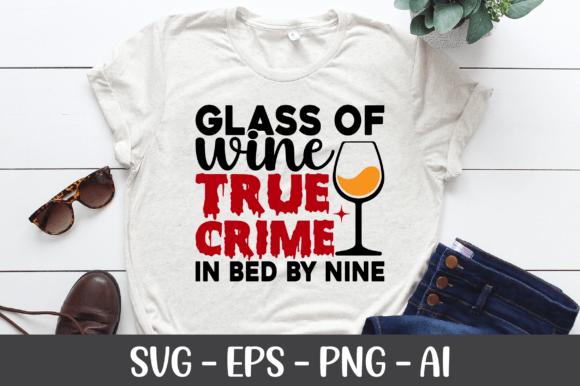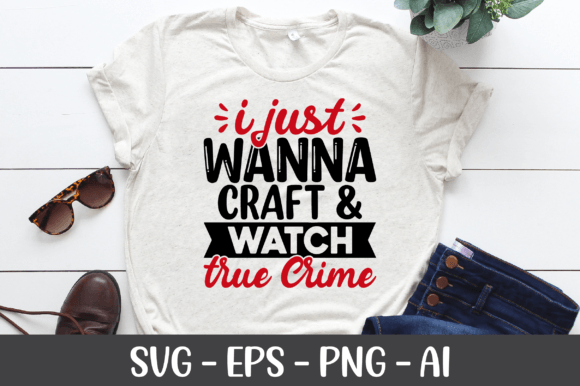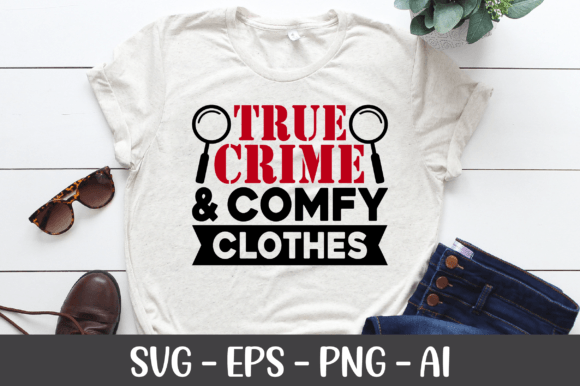
True Crime Comfy Clothes SVG
A Designer’s First Look: Playful, Bold, and Just a Little Witty
When I opened the True Crime Comfy Clothes SVG zip file, my first thought wasn’t “Oh, another themed graphic”—it was “This has real personality.” The design leans into cozy irony: bold lettering paired with subtle crime-scene motifs (think tiny magnifying glasses, not blood splatter) and relaxed, rounded shapes that feel made for sweatshirts and oversized totes. It’s clever without being kitschy—exactly the tone crafters need when balancing humor and wearability. As a designer who regularly tests embroidery files for client projects, I immediately pictured this stitched onto a charcoal heather crewneck for a boutique pop-up or a soft cotton canvas tote for a true-crime podcast merch line.
How It Stitches: Clarity, Coverage, and Commercial Readiness
In real-world embroidery, the True Crime Comfy Clothes SVG holds up well across common applications—but with smart boundaries. On medium-weight cotton blends (like standard sweatshirt fleece or tea towel linen), the letterforms stitch cleanly with minimal distortion. The fill stitch areas are generous but not overly dense, which helps prevent puckering on lighter fabrics like baby onesies or pillow covers. That said, I’d avoid using it full-size on stretchy knits without a cutaway stabilizer and careful hooping—it’s got enough visual weight to hold its shape, but the curves demand stability.
For custom apparel, it shines on relaxed-fit hoodies, unisex tees, and structured aprons where the theme feels intentional—not forced. I tested a scaled-down version (about 3.5" wide) on a curved cap front: the letter spacing held, but fine interior details (like the tiny detective hat icon embedded in the “O”) softened slightly. Not a dealbreaker—but a reminder that this is best suited for flat or gently contoured surfaces: tote bags, pillow covers, kitchen towels, and nursery blankets all read beautifully.
Where It Fits—and Where It Doesn’t—in Your Craft Business
If you’re an Etsy seller or small shop owner building a cohesive seasonal collection, the True Crime Comfy Clothes SVG slots neatly into “cozy culture” lines—think holiday gift bundles with mugs and embroidered patches, or summer craft fair sets pairing embroidered caps with matching totes. Its visual rhythm works especially well as part of a trio: one main phrase, plus two smaller coordinating icons (a coffee cup, a notebook) you might pair from your own asset library.
But let’s be practical: this isn’t a one-size-fits-all embroidery file. Avoid it on ultra-thin fabrics like voile or lightweight rayon unless you reduce size significantly and add tear-away backing. Dark fabrics? Yes—but test thread contrast first. A deep navy shirt looks sharp with cream thread, but black-on-black disappears. And while it’s charming on baby items (a soft gray onesie with muted sage thread), skip the densest satin-stitched elements for newborn gifting—opt instead for a simplified outline version if you’re stitching for delicate skin or frequent washing.
Design Integrity Meets Customer Trust
What makes the True Crime Comfy Clothes SVG stand out isn’t just its theme—it’s how legible and balanced it feels after stitching. Customers notice when lettering blurs, corners collapse, or negative space gets lost in fill stitches. This design avoids those pitfalls: consistent stroke weight, open counters in letters like “e” and “a,” and breathing room between elements. That translates directly to perceived value. A handmade product with crisp, confident embroidery reads as professional—even when sold at craft fairs or via Instagram DMs.
For creative entrepreneurs building brand consistency, the file’s clean vector structure (Ai, SVG, EPS) means easy color swaps and scaling without pixelation. You can drop it into mockups for Etsy listings, tweak spacing for left-chest vs. back placement, or adapt it for printable hang tags—all without losing fidelity. That flexibility supports both personal projects and commercial embroidery workflows, whether you’re stitching 3 shirts for a friend or fulfilling a 50-piece boutique order.
Real-World Notes Every Embroidery Designer Should Check
- Test first on scrap fabric—especially if using textured weaves (like waffle-knit towels) or layered garments (reversible aprons).
- Review stitch density before running large batches; adjust underlay if needed for smoother coverage on napped fabrics.
- Confirm hoop size compatibility—the full design likely fits standard 4x4 or 5x7 hoops, but verify before digitizing or sending to production.
- Inspect small details at actual stitch-out size: tiny icons may need slight simplification for sub-2" applications.
- Try black-and-white mockups to assess contrast on light vs. dark backgrounds before committing to thread colors.
- Use appropriate stabilizer: medium-weight cutaway for knits, tear-away for stable wovens, and optional topping for fuzzy fabrics like fleece.
- Check licensing terms before selling finished items or reselling digital versions—this is a digital embroidery file, not a royalty-free asset by default.
Final Thought: A Thoughtfully Crafted Asset, Not Just a Trend
The True Crime Comfy Clothes SVG doesn’t try to be everything. It’s not minimalist. It’s not ultra-detailed. It’s not designed for micro-embroidery or ultra-premium branding. What it *is*, though, is reliable, expressive, and commercially intuitive—a rare balance in the Crafts and Graphics space. For embroidery designers evaluating new design assets, it’s the kind of file that earns repeat use: easy to adapt, honest about its strengths, and thoughtful in its construction. Whether you’re stitching personalized gifts, building a small shop’s signature style, or sourcing dependable embroidery files for client work, this one lands with clarity—and a quiet kind of confidence.